How To Remove Fish Hook From Fish

So, you’ve landed a magnificent catch! The thrill of the fight is over, and now it’s time for the delicate dance of unhooking. Don’t worry, it’s less of a surgical procedure a...
So, you’ve landed a magnificent catch! The thrill of the fight is over, and now it’s time for the delicate dance of unhooking. Don’t worry, it’s less of a surgical procedure and more like a gentle negotiation with a slippery, finned friend.
First things first, let’s talk about keeping our aquatic pals happy. We’re not here to make anyone feel like they’re in a dental chair. Think of it as a quick, friendly handshake before saying "see you later!"
Imagine you’re trying to get a tiny, stubborn speck of glitter off your finger. It’s a bit like that, but with more wiggles. The main goal is to be swift and smooth, like a ninja in waterproof boots.
Must Read
One of the most common scenarios involves a hook that’s just barely snagged. This is the equivalent of your buddy accidentally brushing your arm. A gentle nudge, and it’s usually free, as if it never happened.
Sometimes, though, the hook has committed a little more enthusiastically. It’s lodged in there with a bit more… conviction. This is where we get a little more strategic. It’s like trying to untangle your headphones when you’re in a hurry.
We often reach for our trusty pliers. These aren't just any pliers; they're your specialized hook-removal gadgets. Think of them as tiny, metal wizards with a singular purpose: freeing the fish.
Now, some folks swear by specific techniques. There’s the classic “push and twist.” You’re essentially encouraging the hook to go back the way it came, but with a little more finesse.
Another popular method is the “back-out” maneuver. It’s all about understanding the barb’s grumpy nature. We want to disarm its grip without causing too much fuss.
What’s truly heartwarming is the effort anglers put into this. It’s a testament to the respect they have for the creatures they enjoy fishing for. It’s about acknowledging that this fish has a life to get back to, a watery world waiting.
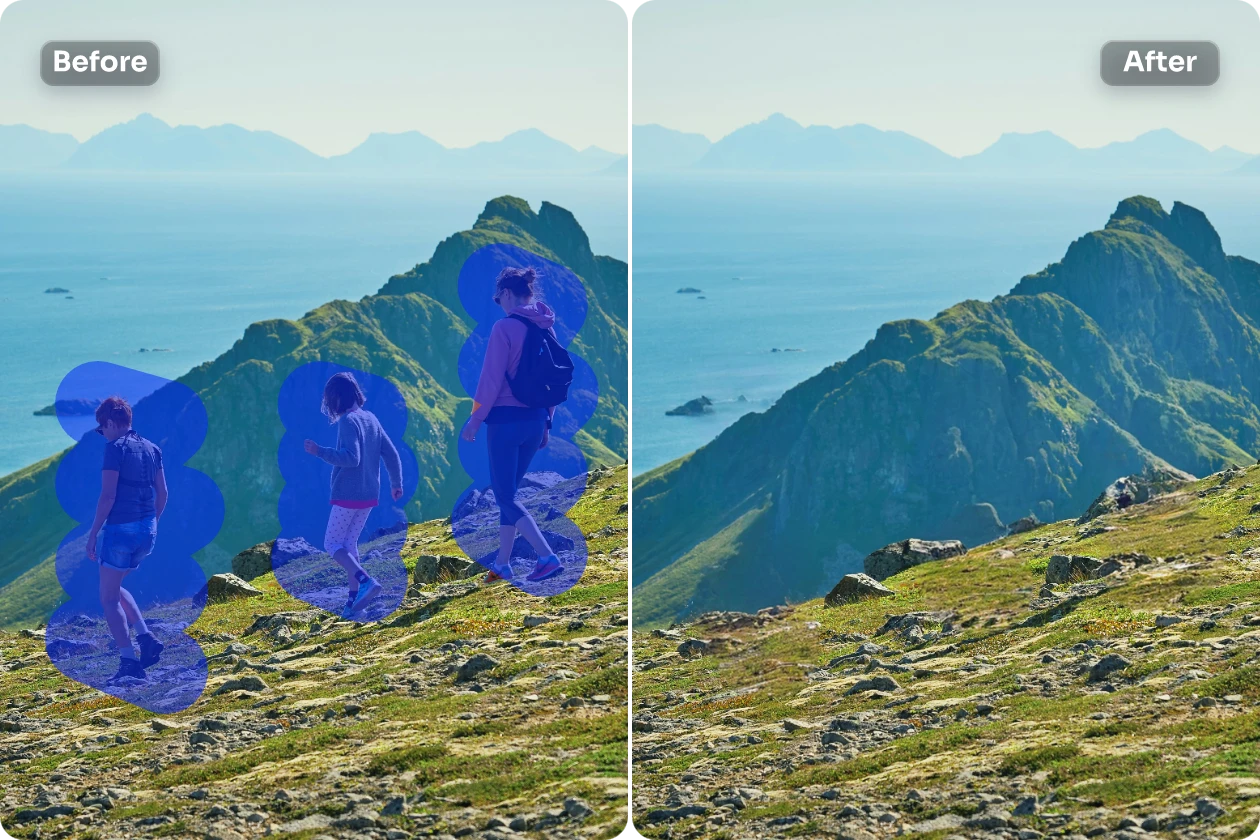 100% FREE AI Image Watermark Remover (No Sign-up) - AI Ease
Think of the barb. This is the hook’s little anchor. Our job is to convince the barb that its mooring has been released. It’s a delicate persuasion, not a forceful extraction.
One of the most surprising things is how resilient fish are. They’ve been dealing with nature’s little annoyances for millennia. A well-handled hook removal is usually just a minor inconvenience for them.
We also have to consider the different locations where a hook might end up. The lip is usually the easiest territory. It's like finding a misplaced button on your shirt.
The tongue, however, can be a bit more… sensitive. Here, patience is your superpower. A little bit of calm, collected maneuvering goes a long way.
And then there’s the dreaded deep hook. This is the one that makes us pause and take a deep breath. It’s the fishing equivalent of finding a knot in your shoelace that you can't seem to undo.
In these cases, sometimes the best approach is to accept that the hook might need to stay for a bit. It’s not ideal, but sometimes nature finds a way. The fish might adapt, and the hook could even rust away over time.
 How To Remove Paint From Cabinets at Irene Troyer blog
This is where the concept of a "clean cut" comes into play. If a hook is too deeply embedded and removal risks significant damage, some anglers opt to cut the line as close to the hook as possible.
It’s a decision that weighs convenience against the fish's well-being. The goal is always to minimize harm. It’s like deciding whether to try and save a wilting flower or let nature take its course with a new bloom.
There are also specialized tools designed for these trickier situations. Think of them as advanced hook-removal accessories, like a special spatula for a delicate pastry.
These tools often have unique grips or angles to help you get to those hard-to-reach places. They’re designed to make your job easier and the fish’s experience less stressful.
Humor can be a great de-escalator, even with a fish! Imagine whispering words of encouragement like, "Almost there, champ!" or "This will be over faster than a school of minnows fleeing a bigger fish!"
It’s the little things that make the difference. A calm demeanor, a steady hand, and a genuine desire to help the fish return to its watery home.
Think about the sheer bravery of these creatures. They’re out there, living their lives, and sometimes they make a mistake, like mistaking a shiny lure for lunch. We’re just helping them correct that lunch order.
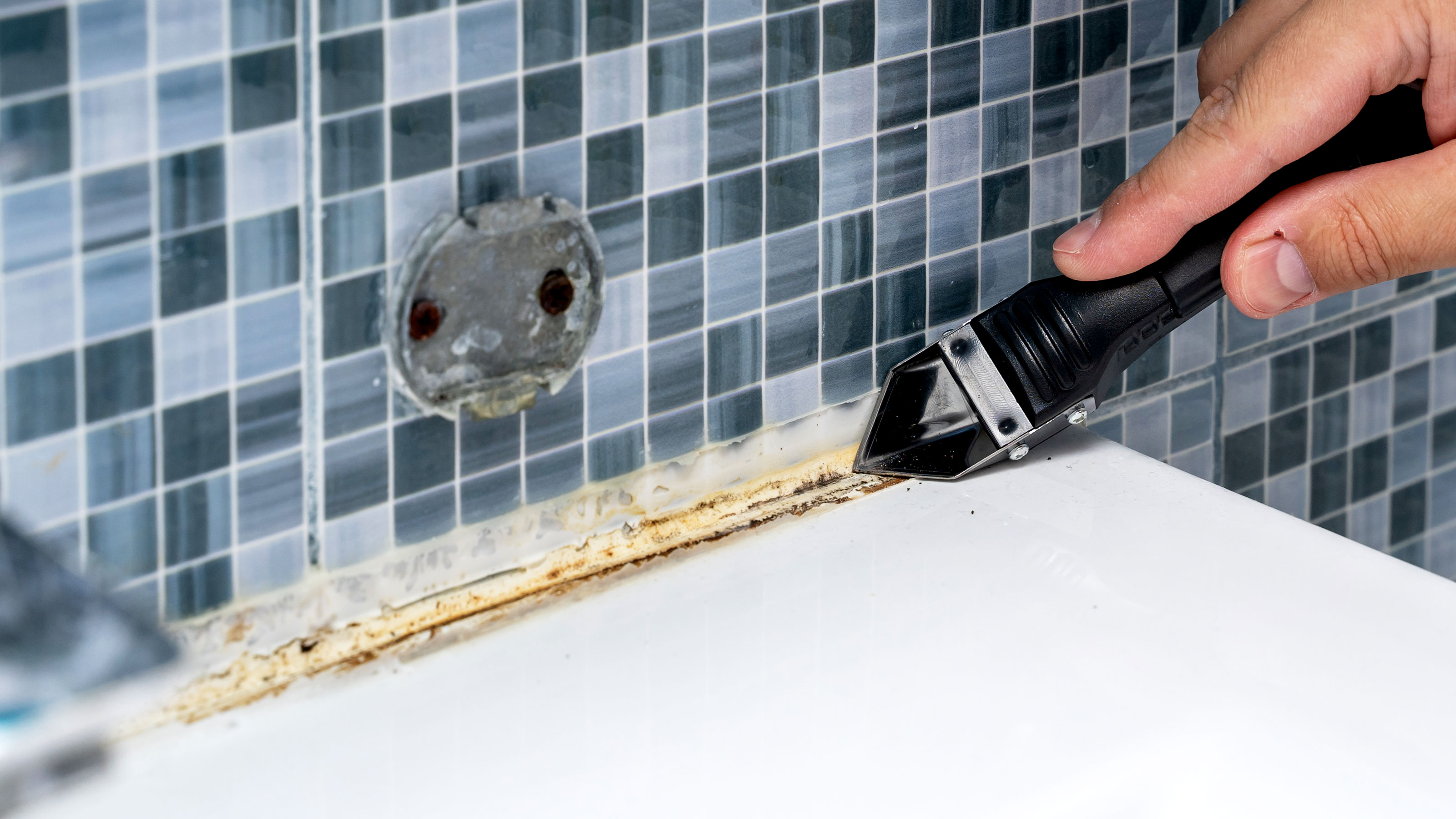 Sealing a bath with silicone to get a watertight finish | Homebuilding
Some of the most heartwarming stories involve anglers who have gone above and beyond. They’ve spent extra time, used innovative techniques, and even celebrated the successful release of a fish like a victory.
It’s this spirit of conservation and care that elevates fishing from just a sport to a stewardship. We’re not just catching fish; we’re engaging with an ecosystem.
Consider the feeling of accomplishment when you’ve successfully removed a hook, especially a tricky one. It’s a quiet triumph, a moment of shared understanding with the wild.
And the fish? It swims away, perhaps with a slight shake of its head, ready to continue its aquatic adventures. It’s a tiny tale of resilience, a reminder of the incredible lives happening beneath the surface.
Sometimes, you might encounter a fish that’s already been hooked and released. You might see a faint scar or a healed wound. It's a badge of honor, a testament to their toughness.
This is where the humor can really shine. You might playfully chide the fish, "Looks like you've been in a bit of a tangle before!" or "That was a close one, wasn't it?"
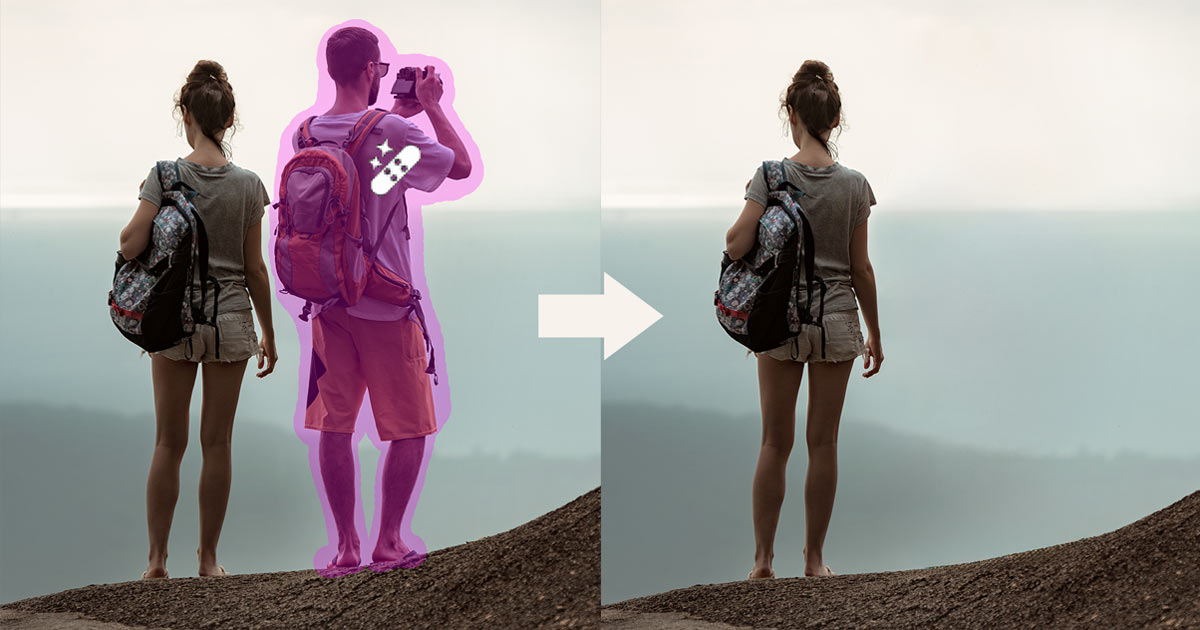 Remove People or Objects from Photos Using Photoshop's Remove Tool
The key is to be prepared. Having the right tools and a bit of knowledge can make all the difference. It’s like packing the right snacks for a road trip; it just makes the journey smoother.
Remember, the hook is designed to catch, and the fish is designed to survive. Our role is to facilitate the latter. It’s a collaboration, a brief interlude in their natural rhythm.
And if you ever feel a bit uncertain, there’s no shame in seeking advice. Experienced anglers are usually happy to share their wisdom. It’s a tradition passed down, like sharing stories around a campfire.
The most important thing is to remain calm. Panicking will only make the fish more stressed. Think of it as trying to soothe a nervous pet; a gentle touch and reassuring words are key.
You might even find yourself developing a little bit of a rapport with certain fish. You see the same ones returning, and you get to be the one who helps them out of a jam.
It's a rewarding feeling, knowing you've made a positive impact on an animal's life. It's a small act of kindness that resonates.
So, the next time you find yourself with a fish on the line, remember the gentle art of unhooking. It’s a skill that blends respect, a touch of humor, and a whole lot of appreciation for the wild wonders of the water. Happy fishing, and happy releasing!
